
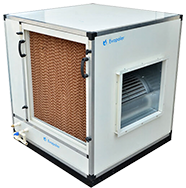

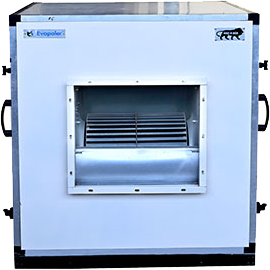
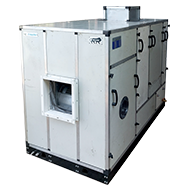
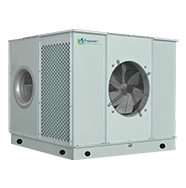

Description
Key Technical Difference
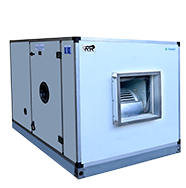
- Conventional FAHU relies entirely on mechanical cooling, making it energy intensive when handling large volumes of fresh air.
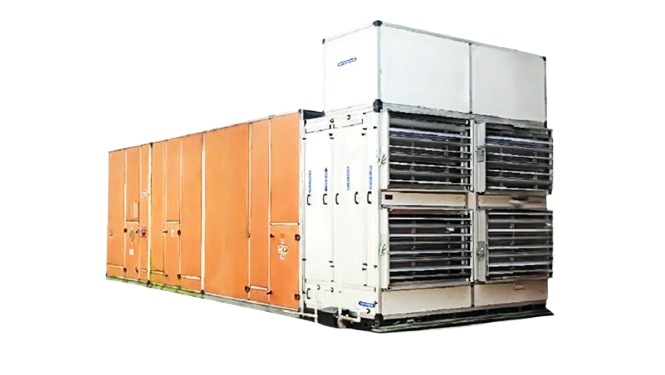
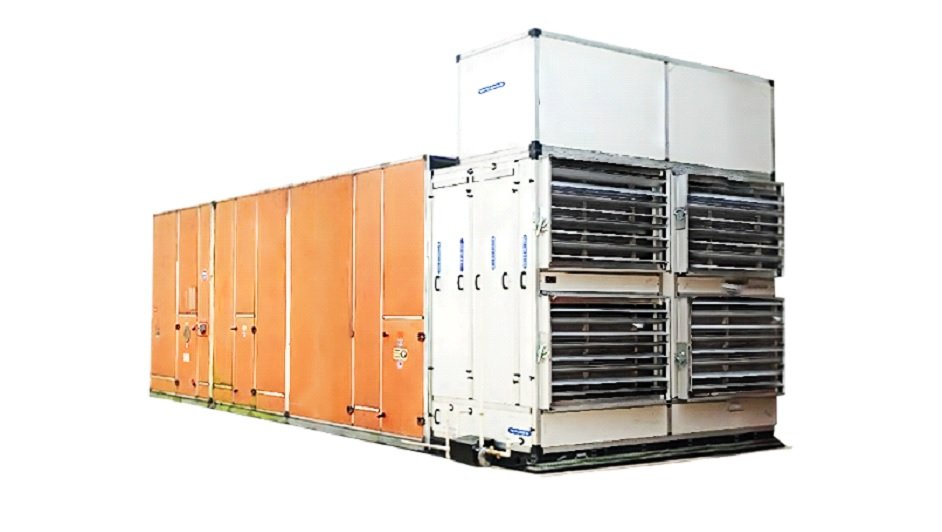
- IEC-assisted FAHU removes a significant portion of sensible heat using low-energy evaporative cooling, allowing the cooling coil to focus mainly on latent load control.
Working Principle of IEC PreCooling
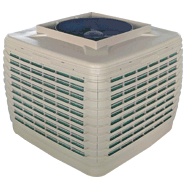
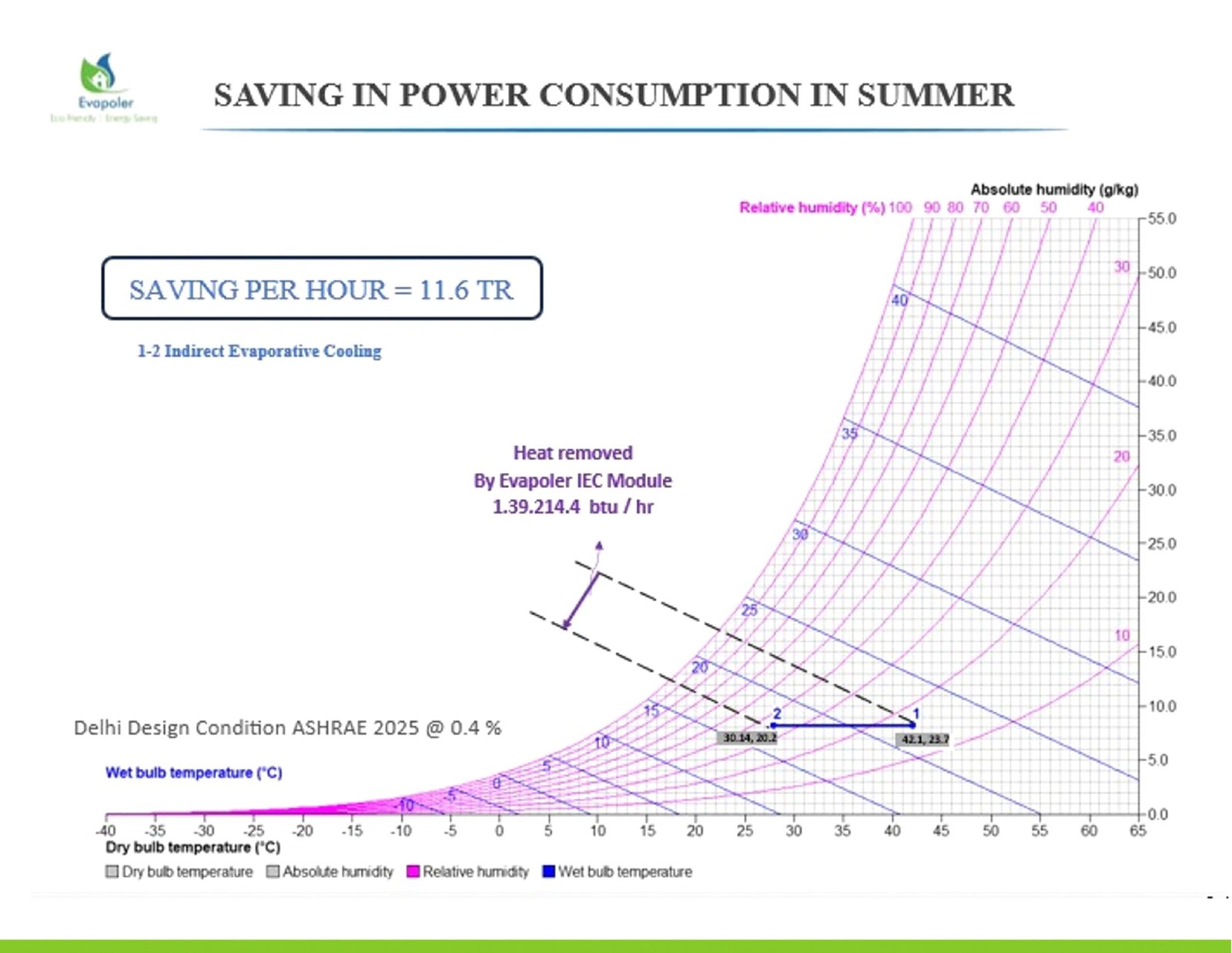
- Outdoor air passes through the dry channel of the IEC, reducing DBT and WBT.
- A secondary air stream is cooled via evaporative cooling in the wet channel.
- Sensible heat transfer occurs across a crossflow polymeric heat exchanger (SenHex).
- Fresh air temperature is reduced without adding moisture.
- Precooled air enters the FAHU cooling coil at a lower temperature, reducing chiller/compressor load.

Benefits of Using Evapoler Coolator® (IEC) for Pre-Cooling
(Replace bullets with icons in your Word file as desired)
❄️ Reduction in Cooling Load
- Fresh air temperature reduced by 6–12°C (climate dependent)
- 25–40% reduction in coil sensible load
⚙️ Lower Chilled Water / DX Capacity
- Smaller cooling coil size
- Reduced compressor run time or lower chiller TR requirement
⚡ Energy Savings
- 25–40% lower power consumption vs mechanical cooling
- Improved overall AHU system COP
🌬️ Improved Indoor Air Quality
- Enables higher fresh air percentages at lower energy cost
- Ideal for buildings/processes requiring 100% fresh air
💧 Humidity Control Maintained
- IEC is a sensible cooling process
- AHU coil can be optimized for precise humidity control
🌎 Green Cooling
- No chemical refrigerants
- Uses water + ambient air
- Polymeric heat exchangers ensure long life and corrosion resistance
🏅 Certified Sustainability
- COOLATOR® is GEM EcoCertified (ASSOCHAM
- Supports ESG and decarbonisation goals
Comparison: Conventional FAHU vs IEC Assisted FAHU
Design Basis (Common for Both)
| Parameter | Value |
|---|---|
| Outdoor Air Flow | 10,000 CMH (≈ 6,000 CFM) |
| Outdoor Condition | 42°C DB / 24°C WB |
| Supply Air Condition | 16°C DB |
| FAHU Type | 100% Fresh Air |
| Coil Leaving Air RH | ~90% |
Savings in TR with IEC Assisted FAHU
| Item | Conventional FAHU | IEC Assisted FAHU |
|---|---|---|
| Air Flow | 10,000 CMH | 10,000 CMH |
| Coil Inlet DBT | 42°C | 30.1°C |
| Supply Air DBT | 16°C | 16°C |
| Coil ΔT | 26°C | 15.2°C |
| Cooling Load | 25 TR | 13.6 TR |
| TR Reduction | – | 11.3 TR (≈45% Reduction) |
Pre-Cooling Capacity of Evapoler Coolator® (IEC)
| Model | Airflow (CMH / CFM) | Pre-Cooling Capacity (kW / TR) | Total Power (kW) | EER (Delhi) | Noise (dBA) |
|---|---|---|---|---|---|
| Coolator® 10 | 10,000 / 6,000 | 38 / 11 | 3.3 | 44 | ≤ 70 |
| Coolator® 17 | 17,000 / 10,000 | 63 / 18 | 8.0 | 30 | ≤ 70 |
| Coolator® 25 | 25,000 / 15,000 | 95 / 27 | 9.7 | 37 | ≤ 70 |
| Coolator® 34 | 34,000 / 20,000 | 126 / 36 | 14.4 | 33 | ≤ 70 |
| Coolator® 42 | 42,000 / 25,000 | 158 / 45 | 18.8 | 32 | ≤ 70 |
Advantages of Evapoler TFA (Treated Fresh Air Unit)
- Energyefficient alternative to ERVs, heat pipes, and airtoair heat exchangers
- Low lifecycle cost with minimal maintenance
- Customizable with plug fans or EC fans
- Suitable for retrofits or standalone installations
































 Download Brochure
  Customer Care